

Unlock Peace of Mind: The Ultimate Guide to Choosing the Perfect 4G SIM Card for Your Security Cameras!
In today’s world, security is paramount, and having reliable surveillance systems in place can provide much-needed peace of mind. One crucial component of these systems is the 4G SIM card, which plays a vital role in ensuring that your security cameras function effectively, even in remote locations. With the growing need for enhanced security solutions, the ability to connect your cameras to the internet via mobile networks has become increasingly important. A 4G SIM card not only enables real-time video streaming and alerts but also ensures that your camera remains operational without the need for complicated wiring. This guide will help you navigate the process of selecting the perfect 4G SIM card tailored specifically for your security camera needs, ensuring that you can monitor your property from anywhere in the world.
Understanding 4G SIM Cards
A 4G SIM card is a small chip that allows a mobile device, such as a security camera, to access mobile networks for internet connectivity. Unlike its predecessors, 4G technology provides faster data transfer rates, which is crucial for streaming high-definition video without lag. This technology allows your security cameras to transmit video feeds in real-time, ensuring that you don’t miss any crucial moments. Selecting the right SIM card for security applications is essential, as it directly affects the performance and reliability of your surveillance system. With advancements in mobile technology, 4G SIM cards offer enhanced features such as lower latency and improved coverage, making them ideal for security cameras positioned in various locations.
Key Features to Look For
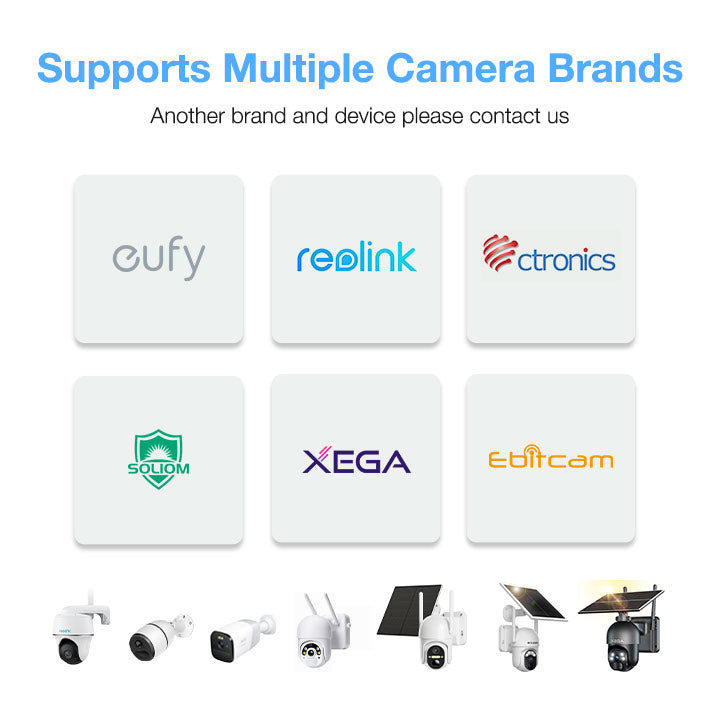
When choosing a 4G SIM card for your security cameras, there are several key features to consider. First, evaluate the data limits offered by the SIM card plan. Security cameras can consume significant data, especially if they stream video continuously. Opt for a plan that provides a sufficient data allowance to avoid interruptions. Coverage is another critical aspect; ensure that the SIM card offers robust service in the area where your cameras will be installed. Additionally, check the speed of the connection; higher speeds will facilitate smoother streaming and quicker alert notifications. Lastly, compatibility with different camera models is vital, as not all SIM cards work seamlessly with every type of device. Researching these features will help ensure that you select a SIM card that meets your security needs.
Data Plans and Costs
Choosing the right data plan for your 4G SIM card is essential for ensuring that your security cameras operate effectively without incurring unexpected costs. There are typically two types of plans available: prepaid and postpaid. Prepaid plans allow you to control your expenses by paying upfront for data, which can be beneficial for monitoring your budget. On the other hand, postpaid plans may provide more data for a lower rate, ideal for those with high data usage. When evaluating costs, consider how much data your cameras will require based on their usage frequency and video quality settings. It’s also wise to compare different providers to find the most cost-effective option. Remember, investing in a suitable data plan can lead to long-term savings and uninterrupted camera functionality.
Installation and Setup
Installing a 4G SIM card in your security camera is typically a straightforward process. Begin by locating the SIM card slot on your camera, which is often found near the power source. After inserting the SIM card, ensure that it is securely in place. Next, power on the camera and follow the manufacturer’s instructions for connecting it to the mobile network. It may require configuring settings through the camera’s app or web interface. Should you encounter issues during setup, common troubleshooting steps include checking the SIM card’s activation status, ensuring the camera is within range of the network, and restarting the device. Taking the time to properly install and set up your 4G SIM card will enhance the reliability of your security system.
Best Practices for Usage
To maximize the performance of your 4G SIM card in security cameras, consider implementing a few key best practices. Regularly monitor your data usage to ensure you remain within your plan's limits, which can help prevent unexpected charges. Additionally, maintain optimal connectivity by placing your cameras in locations with strong mobile signal coverage. If you notice connectivity issues, consider relocating the camera or using signal boosters to enhance reception. It’s also beneficial to periodically check for software updates for your camera, as these updates can improve performance and security features. By following these practices, you can ensure that your security cameras operate efficiently and effectively.
Choosing the Right SIM Card for Optimal Security
In conclusion, selecting the right 4G SIM card for your security cameras is crucial for ensuring reliable and effective surveillance. By understanding the features that matter most, evaluating data plans carefully, and following proper installation and usage practices, you can enhance the security of your property. Whether you're looking to monitor your home, business, or any other space, a reliable 4G SIM card tailored to your needs will provide peace of mind and safeguard what matters most. Take the time to consider your specific requirements and make an informed decision to invest in a solution that offers both security and convenience.