Unlock the Enchantment of Blue Art: Discover Its Hidden Wonders and Masterpieces!
The world of art is a vibrant tapestry woven from colors, emotions, and cultural narratives. Among these, blue art stands out as a color steeped in meaning and allure. Blue art captivates with its ability to evoke feelings of tranquility, depth, and introspection. From the serene skies to the profound depths of the ocean, blue inspires artists to explore the complexities of the human experience. In this article, we will delve into the significance of blue in art history, examine various styles that celebrate this color, highlight notable artists who have made their mark with blue masterpieces, and explore the emotional and psychological effects of blue art on viewers. Whether you're an art aficionado or a casual admirer, prepare to unearth the hidden wonders of blue art.
The Significance of Blue in Art History
Blue has held a significant place in art throughout history, with its roots tracing back to ancient civilizations. In ancient Egypt, blue was associated with the divine and the afterlife, often used in tomb paintings and artifacts to symbolize protection and healing. The Greeks and Romans utilized blue in mosaics and frescoes, where it represented the sky and the sea, embodying freedom and possibility. During the Middle Ages, the use of ultramarine, derived from lapis lazuli, became a status symbol, often reserved for depictions of the Virgin Mary in religious art, reflecting purity and serenity.
As we move into the Renaissance, blue continued to evolve, finding its place in the palettes of renowned artists like Titian and Raphael. The Impressionist movement saw artists like Claude Monet and Pierre-Auguste Renoir exploring the nuances of blue in landscapes and water scenes. The 20th century introduced a more abstract interpretation of blue, with artists such as Yves Klein famously declaring his own shade of blue, International Klein Blue, as a representation of the infinite. This historical context highlights how blue has been a powerful symbol of emotion, spirituality, and artistic exploration across cultures and eras.
Styles of Blue Art
Blue art manifests across various styles and movements, each interpreting the color in unique ways. Impressionism, for instance, often utilizes blue to capture the ephemeral qualities of light and atmosphere. Artists like Monet used blue to convey the reflections on water, creating a sense of movement and fluidity. In contrast, Abstract art embraces blue as a tool for expression, where the color transcends representation to evoke feelings and thoughts. Artists like Wassily Kandinsky used blue to represent spirituality and depth, employing dynamic shapes and forms to engage the viewer's emotions.
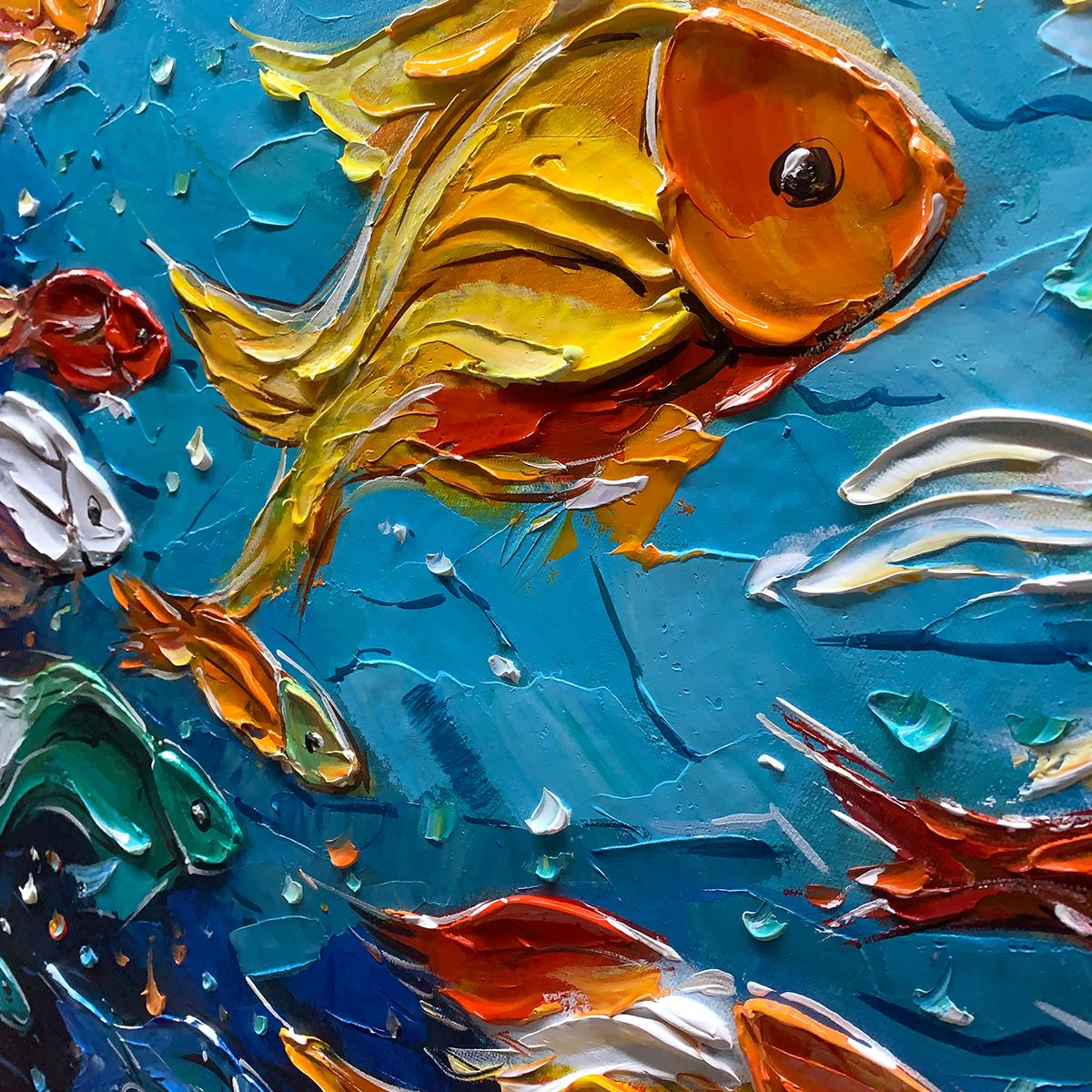
Contemporary blue art continues to push boundaries, with artists experimenting with various materials and techniques. The use of mixed media, including textiles and plastics, has become a popular method to explore blue's symbolism in modern contexts. Additionally, street art has embraced blue, with murals and graffiti transforming urban landscapes into vibrant displays of creativity. This exploration of styles not only showcases blue's versatility but also its ability to adapt and resonate with contemporary themes and issues.
Notable Artists and Their Masterpieces
Several artists have made significant contributions to blue art, each leaving an indelible mark on the art world. Pablo Picasso, during his Blue Period, created haunting works such as "The Old Guitarist," where shades of blue evoke a sense of melancholy and isolation. Similarly, Yves Klein's "Blue Monochrome" paintings challenge traditional notions of color and form, inviting viewers to engage in a dialogue about the essence of color itself.
Another noteworthy artist, Joan Miró, incorporated blue in his abstract compositions to convey a sense of freedom and imagination. His works, characterized by playful shapes and vibrant use of color, invite viewers into a whimsical world where blue symbolizes creativity and possibility. In the realm of contemporary art, artists like Julie Mehretu use blue to explore themes of geography and identity, layering ink and paint to create dynamic landscapes that reflect the complexities of modern life. These artists and their masterpieces illustrate the enduring significance and evolving interpretation of blue in art.
Emotional and Psychological Effects of Blue Art
The emotional responses elicited by blue art are as varied as the shades of blue itself. Psychologically, the color blue is often associated with calmness, trust, and serenity. Art psychologists have noted that viewing blue art can evoke feelings of peace and contemplation, making it an ideal color for spaces intended for relaxation and reflection. For instance, many of my friends have shared experiences of visiting art galleries where blue paintings inspired a sense of tranquility, allowing them to escape the chaos of daily life.
Furthermore, blue art can also evoke a sense of nostalgia or longing, as seen in the works of artists during their reflective periods. This duality of blue—both calming and melancholic—highlights its complex relationship with our emotions, making it a powerful tool for artists to communicate their innermost thoughts and feelings.
Exploring the Depths of Blue Art
In conclusion, blue art is a captivating exploration of color, emotion, and cultural significance. From its rich historical context to the diverse styles and interpretations by notable artists, blue continues to inspire and evoke profound emotional responses. As we navigate the complexities of modern life, blue art remains relevant, inviting us to pause, reflect, and connect with our inner selves. Whether you are an artist, a collector, or simply an admirer, I encourage you to further explore the enchanting world of blue art and discover the hidden wonders it has to offer.