
Unlock the Secrets of Mechanical Keyboards: Why Everyone's Making the Switch!
In recent years, mechanical-switch keyboards have surged in popularity among gamers, typists, and tech enthusiasts alike. These keyboards are not just a passing trend; they represent a significant evolution in how we interact with our devices. This article aims to demystify mechanical-switch keyboards by exploring their components, functionality, and advantages over traditional keyboard types, such as membrane keyboards. Whether you're a casual user or a hardcore gamer, understanding the differences could enhance your typing experience and elevate your performance.
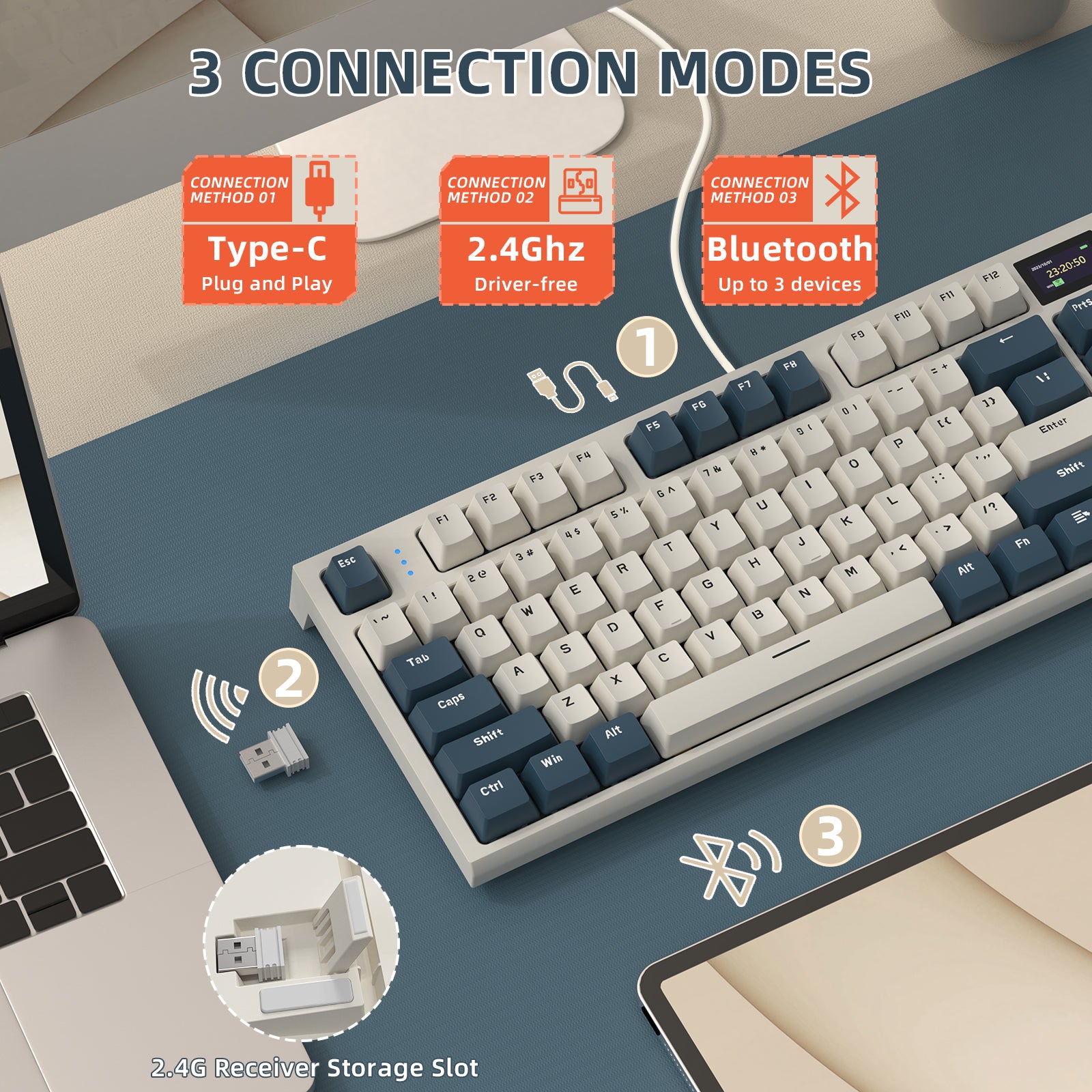
Understanding Mechanical-Switch Keyboards
Mechanical-switch keyboards are distinguished by their use of individual mechanical switches for each key, as opposed to the rubber dome switches found in most membrane keyboards. Each mechanical switch consists of several components: a housing, a spring, and a stem. When you press a key, the stem moves down, compressing the spring, and makes contact with an electrical circuit, registering the key press. There are three primary types of mechanical switches: tactile, linear, and clicky. Tactile switches provide a noticeable bump when the key is actuated, offering feedback without a loud noise. Linear switches, on the other hand, deliver a smooth and uninterrupted keystroke, making them popular for gaming. Clicky switches combine both tactile feedback and an audible click, appealing to those who enjoy the satisfying sound of typing. This diversity in switch types allows users to choose a keyboard that fits their specific preferences and typing styles.
How Mechanical Keyboards Work
The mechanics of mechanical-switch keyboards are straightforward yet ingenious. When a key is pressed, the movement of the stem activates the switch mechanism underneath, which can vary depending on the type of switch used. This activation sends a signal to the computer, telling it which key has been pressed. One of the most notable features of mechanical keyboards is the tactile feedback they provide. This feedback can enhance typing speed and accuracy, as users can feel when a key has been successfully registered. Additionally, mechanical switches are built to last, often rated for tens of millions of keystrokes, which is significantly higher than their membrane counterparts. This durability makes mechanical keyboards an excellent long-term investment for anyone who spends considerable time typing or gaming.
Advantages of Mechanical Keyboards
The advantages of mechanical-switch keyboards extend far beyond their durability. One of the most significant benefits is the typing experience. Many users report that mechanical keyboards offer a more satisfying and responsive typing experience, leading to less fatigue during long sessions. Customization options are another highlight; users can change keycaps, modify lighting, and even program macros to enhance their workflow or gaming experience. Furthermore, mechanical keyboards are often designed with ergonomics in mind, providing better wrist support and reducing the risk of repetitive strain injuries. For gamers, the precision and speed offered by mechanical switches can be a game-changer, allowing for rapid key presses that are essential for competitive play. A friend of mine, an avid gamer, made the switch to a mechanical keyboard and noticed an immediate improvement in his reaction times and overall gaming performance.
Common Myths and Misconceptions
Despite their popularity, several myths and misconceptions surround mechanical-switch keyboards. One common belief is that they are excessively noisy, making them unsuitable for quiet environments. While clicky switches do produce noticeable sound, many users prefer quieter tactile or linear options that can be just as effective without the noise. Another misconception is that mechanical keyboards are only for gamers or tech enthusiasts. In reality, anyone who types regularly can benefit from the improved ergonomics and typing experience they offer. Whether you're a writer, a student, or just someone who enjoys chatting online, a mechanical keyboard can enhance your experience.
Key Takeaways on Mechanical-Switch Keyboards
In summary, mechanical-switch keyboards offer a unique blend of durability, customization, and enhanced typing experiences that set them apart from traditional keyboards. By understanding what mechanical keyboards are, how they work, and the advantages they provide, users can make informed choices that improve their typing and gaming experiences. If you’re considering a keyboard upgrade, now is the perfect time to explore the world of mechanical-switch keyboards and discover the difference for yourself!