

Transform Your Practice: Discover the Secret to Elevating Patient Care with the Perfect Dental Light!
In the realm of dentistry, the importance of adequate lighting cannot be overstated. The right overhead dental light not only illuminates the oral cavity but also plays a pivotal role in ensuring the comfort and safety of patients during procedures. A well-lit environment enhances visibility, allowing dental professionals to perform intricate tasks with precision. Conversely, poor lighting can lead to increased eye strain for dentists, reduced accuracy in procedures, and ultimately, diminished patient trust. This article serves as a comprehensive guide for dental professionals seeking to select the best overhead dental light for their practice, ensuring that both clinical outcomes and patient experiences are elevated to new heights.
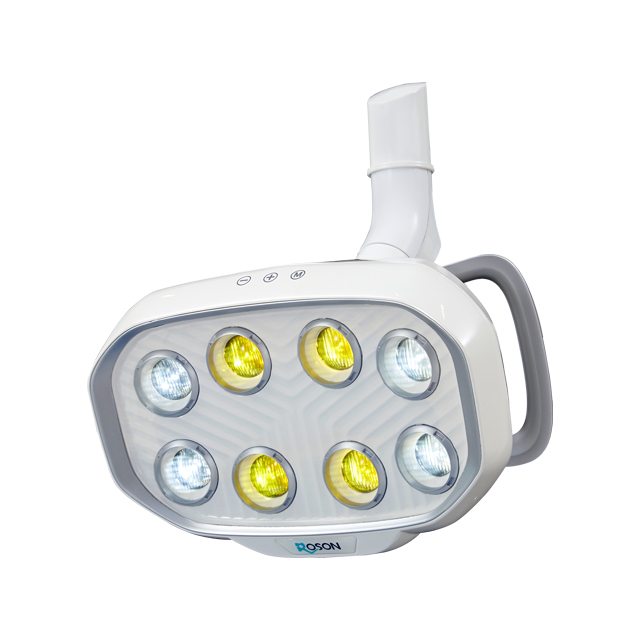
The Importance of Proper Lighting in Dentistry
Good lighting is essential in any dental practice. It significantly enhances visibility during procedures, allowing dentists to identify issues that might be missed in dimly lit conditions. A bright, well-lit workspace reduces eye strain for practitioners, enabling them to focus for extended periods without discomfort. Moreover, it contributes to patient comfort; when patients see a well-lit environment, they may feel more at ease, knowing that their care is being performed with precision. Inadequate lighting, on the other hand, can lead to errors, which not only jeopardizes patient safety but also affects overall trust and satisfaction. A friend of mine, a practicing dentist, once recounted how a poorly lit room led to a misdiagnosis during a routine examination—a mistake that could have been avoided with proper overhead lighting. The importance of investing in quality dental lights is clear: they are not just tools but essential components of successful patient care.
Key Features to Consider When Choosing an Overhead Dental Light
When selecting an overhead dental light, several key features should be considered to ensure optimal performance. Brightness levels are crucial; lights should be bright enough to illuminate the oral cavity without being harsh on the eyes. The color temperature is another important factor; a natural daylight color (around 5000K) is ideal, as it helps in accurately assessing the true colors of soft tissues and tooth shades. Adjustability is essential too; dental lights should be able to pivot and rotate to provide illumination from various angles. Additionally, light diffusion can enhance the quality of light, reducing shadows and creating a more uniform illumination. Finally, ease of cleaning is often overlooked but vital in maintaining hygiene standards in the dental practice. A colleague once shared how a light with too many crevices became a dust magnet, complicating the cleaning process and affecting the overall cleanliness of their practice. Prioritizing these features can lead to better clinical outcomes and a more efficient workflow.
Types of Overhead Dental Lights
Overhead dental lights primarily come in two types: LED and halogen. LED lights are becoming increasingly popular due to their energy efficiency, longevity, and lower heat emission. They provide bright, consistent lighting and often come with adjustable brightness settings. On the other hand, halogen lights are known for their bright white light, which is effective for detailed work. However, they can generate significant heat, which may be uncomfortable for patients during longer procedures. Each type has its advantages and disadvantages, making it essential for dental practices to assess their specific needs and workflow before making a decision. A friend who runs a multi-specialty dental practice mentioned that while they initially opted for halogen lights due to their brightness, they soon transitioned to LED options to enhance patient comfort and reduce energy costs.
How to Integrate Overhead Dental Lights into Your Practice
Integrating overhead dental lights into your practice requires careful consideration of installation and positioning for optimal performance. The lights should be installed at a height that allows for maximum coverage of the treatment area without obstructing the dentist's view. It's also beneficial to position the light in a way that minimizes shadows. Training staff on the proper use and maintenance of these lights is equally important. Regular cleaning and checks can ensure their longevity and effectiveness, preventing any disruptions during procedures. A fellow dentist shared that establishing a simple maintenance schedule for their dental lights not only improved their functionality but also saved time in the long run, as they were less likely to encounter unexpected issues during patient treatments.
Investment in Overhead Dental Lighting
In conclusion, selecting the right overhead dental light is a critical investment for enhancing patient care and operational efficiency in any dental practice. The importance of good lighting cannot be underestimated, as it directly impacts visibility, comfort, and the overall patient experience. By considering key features such as brightness, color temperature, adjustability, and ease of maintenance, dental professionals can make informed decisions that cater to their specific needs. As you contemplate purchasing an overhead dental light, remember that the right choice can significantly elevate the standard of care you provide to your patients, fostering trust and satisfaction in your practice.